







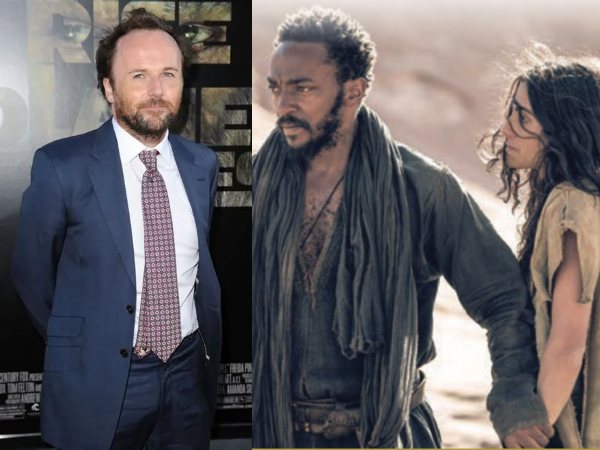

He said, “Creative license should be invisible. Our story is set in 607AD so one has to feel like you’re leaning into a time machine of storytelling. I’m sure if you ask seven different historians how it was in 607AD you’d get seven different versions, and particularly this story where nothing was really written down – it was passed down through poetry and oral tradition. There are so many different perceptions and notions of this, and they all serve different regions’ purposes on a political level.”
He went on to explain that despite its historical backdrop, the film is rooted in a timeless narrative that audiences across generations can relate to.
Also Read: Exclusive: “They Fear Punjab Would Come Together” – Honey Trehan on Satluj, Political Cinema & Morevv